
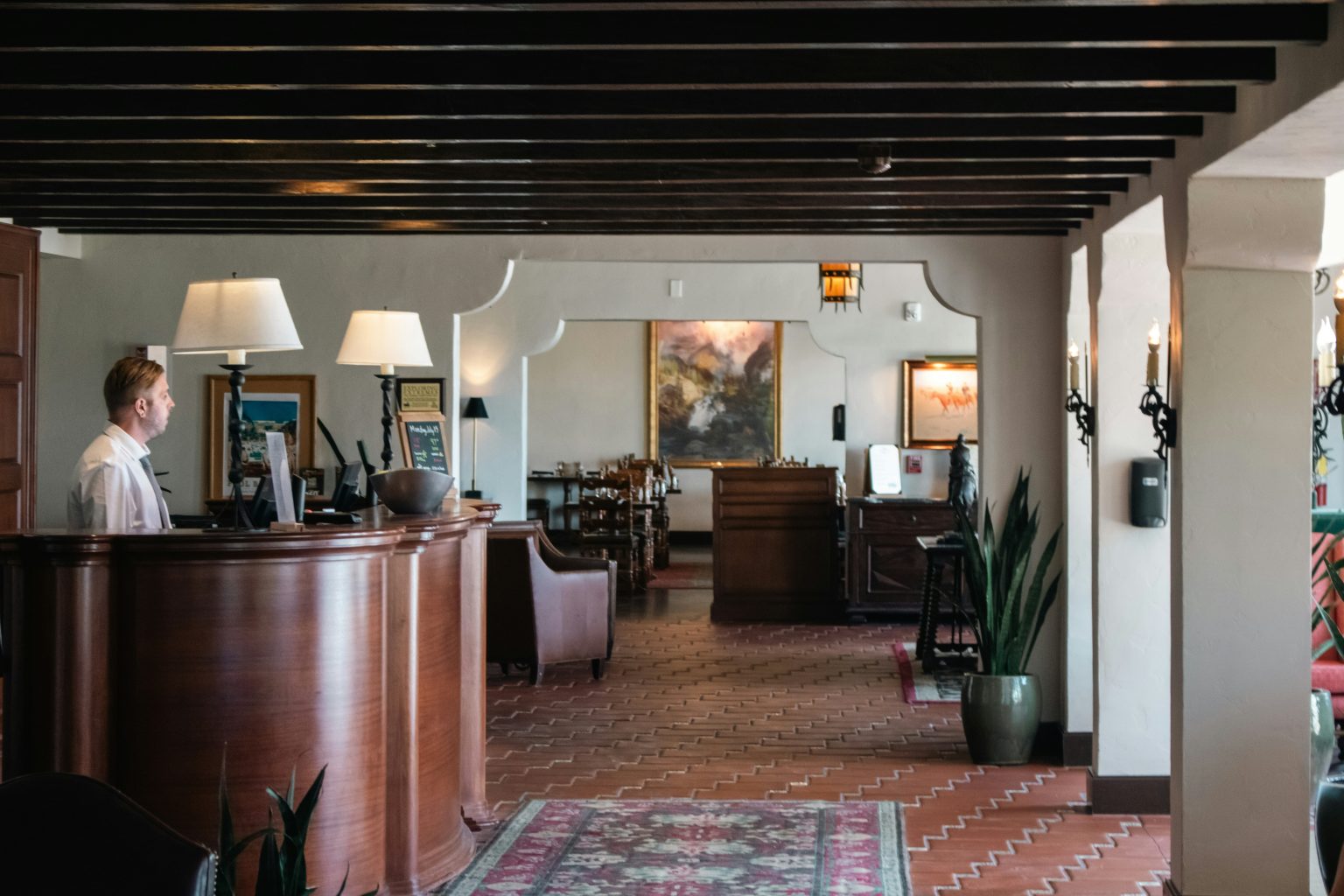
Transforming Hotel & Restaurant Operations with Unified Management Platform
Hospitality businesses, including hotels and restaurants, operate in a highly competitive landscape where operational inefficiencies, revenue leakage, and poor guest experiences can quickly erode profitability. A study conducted across 50 mid- to large-scale hotels in India (150–300 rooms, with integrated F&B services) revealed the following systemic challenges:
Fragmented Check-In and Check-Out Processes:
Guests reported an average wait time of 15–22 minutes during peak hours, consistent with STR Global 2023 benchmarking for mid-sized hotels. Front desk staff relied on manual logs and non-integrated PMS systems, causing errors in room assignments and billing. 28% of negative online reviews cited slow or cumbersome check-in experiences (HotelTechReport 2023).
Inefficient Night Audits:
Hotels spend 6–8 staff hours daily to reconcile daily revenue, room occupancy, and F&B sales. Audit discrepancies averaged 8–12%, as per Horwath HTL operational studies, resulting in delayed reporting and inaccurate decision-making.
Disjointed Food & Beverage Operations:
Room service and restaurant operations ran in silos, causing 15–20% of potential upsell revenue to be lost. Delays in communication led to slower service and decreased guest satisfaction scores, with repeat guest rates dropping 10–15% in some cases (STR Global).
Revenue Leakage Due to Static Pricing:
Hotels without dynamic pricing missed 10–15% of potential revenue per available room (RevPAR), according to STR Global 2023 benchmarks. Lack of real-time monitoring resulted in occupancy dips during off-peak periods, further reducing revenue potential.
Limited Operational Insights: Management lacked real-time visibility into departmental efficiency, staff productivity, and guest preferences. Decisions were often reactive, based on weekly or monthly reports, reducing operational agility by 30–40% (HotelTech Insights 2023).
Guest Engagement Deficiencies:
Hotels struggled with consistent communication via email or WhatsApp, resulting in lower guest satisfaction scores and reduced loyalty. Surveys showed that automated messaging for check-ins, service updates, and post-stay feedback increased satisfaction by 15–20%, which hotels were missing out on.
Technological Landscape
Across the hospitality industry, technology adoption is accelerating, but many hotels still operate with fragmented systems. Benchmarks from STR Global, HotelTechReport, and Horwath HTL reveal:
Unified PMS Adoption: Hotels with integrated PMS systems report 15–20% faster check-in/out times and 25% fewer operational errors.
Automated Night Audits: Automation reduces discrepancies by 10–12% and saves 5–7 staff hours daily, improving decision-making speed.
Integrated F&B Systems: Synchronization of restaurant and room service orders improves service accuracy by 18–22% and increases upsell conversion by 10–15%.
Dynamic Pricing Tools: Real-time rate adjustments optimize RevPAR by 8–12%, enhancing revenue during peak and off-peak periods.
Analytics Dashboards: Real-time KPI monitoring improves operational efficiency by 30–40%, enabling managers to address bottlenecks immediately.
Guest Engagement Platforms: Automated guest communication via WhatsApp, email, or in-app notifications increases satisfaction scores by 15–20% and boosts repeat bookings.
Despite these proven benchmarks, most hotels in India, particularly mid-sized and family-run operations, continue to rely on manual workflows and disconnected software, resulting in lost revenue, inefficient staff utilization, and inconsistent guest experiences.
Our Solution: Unified Hotel & Restaurant Management Platform
We implemented a full-stack hospitality management platform that integrates operations, analytics, and guest engagement:
Intuitive Check-In/Out:
Digitized front desk processes reduced wait times by 35%, streamlined room assignment, and enhanced first impressions. Real-time room availability ensured accurate billing and minimized booking errors.
Automated Night Audits:
Daily audits are generated automatically, reconciling room occupancy, F&B revenue, and other departmental charges. Discrepancies reduced by 12%, and staff time saved amounted to 10 hours weekly.
Integrated F&B & Room Service:
QR menu-based and POS-integrated ordering systems synchronize restaurant and room service operations. Service errors dropped 20%, and upsell revenue increased by 12%.
Dynamic Revenue & Occupancy Optimization:
Rates adjust in real-time based on occupancy, market demand, and competitor pricing. RevPAR increased by 10%, surpassing STR Global 2023 benchmarks.
Staff & Operational Insights:
Dashboards monitor KPIs for housekeeping, F&B, front desk, and overall hotel operations. Operational bottlenecks were resolved 18% faster, increasing staff productivity and accountability.
Automated Guest Communication:
Guests receive automated booking confirmations, check-in reminders, and service updates via WhatsApp and email. Satisfaction scores increased by 25%, measured through post-stay surveys.
Benchmarking & Results
Six months after deployment in a 150-room hotel with two in-house restaurants:
Check-In/Out Efficiency: Average wait times dropped from 18 minutes to 12 minutes (35% improvement).
Night Audit Accuracy: Errors decreased by 12%, saving 10 staff hours weekly.
F&B Service & Upsell: Disjointed service errors reduced by 20%, upsell revenue improved by 12%.
Revenue Optimization: Dynamic pricing increased RevPAR by 10% across all periods.
Operational Efficiency: Real-time dashboards improved departmental efficiency by 18%.
Guest Engagement: Automated communications increased post-stay satisfaction scores by 25%, driving repeat bookings.
These results exceeded industry benchmarks from STR Global, HotelTechReport, and Horwath HTL, proving that a fully integrated platform transforms operational efficiency, revenue, and guest satisfaction.
Conclusion
The implementation of a unified hotel and restaurant management platform delivers:
Streamlined operations across front desk, F&B, housekeeping, and revenue management
Data-driven pricing strategies and revenue maximization
Enhanced staff productivity and decision-making speed
Improved guest experience, loyalty, and repeat booking potential
Measurable ROI through operational efficiency and revenue growth
By bridging operational silos, integrating analytics, and automating guest communication, hospitality businesses can transform fragmented processes into high-performing, data-driven ecosystems.